
Fighting Fascism Through a Children’s Book Club: A Practical Guide
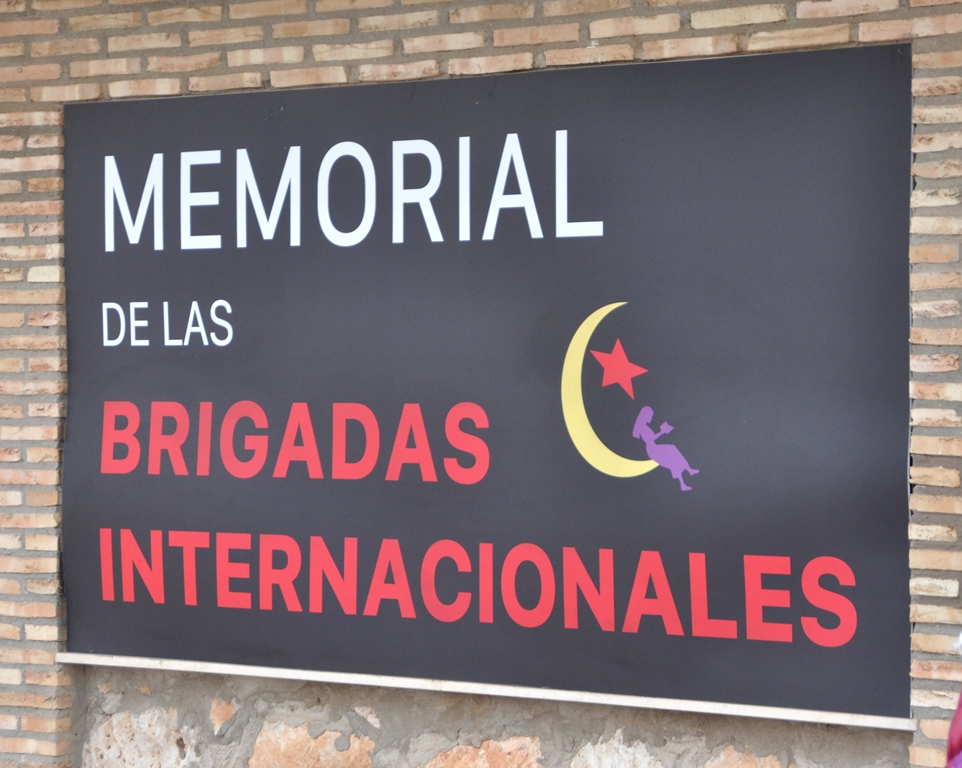
IB memorial museum in Madrigueras near Albacete, Spain. Photo A. Caref.
After attending the AABI event honoring the Abraham Lincoln Battalion in Madrid, in February 2025, Anita Caref, a retired adult literacy educator, started an antifascist children’s book club.
I have always been inspired by the unselfishness of the International Brigades: people from all over the world motivated to participate in a fight that wasn’t directly connected to their “own”—their family, their “tribe.” They understood the class nature of society. They understood what fascism meant in each place it was allowed to arise—and why it was so important to defeat it. My mother’s cousin, Morris Tobman, a man of great integrity and courage, was a veteran of the Abraham Lincoln Brigade.
Over the past few years, as my son and his family moved to Spain, and as the United States moved ever closer to fascism, my interest in ALBA grew to the point where I started actively participating in its activities and contributing financially. Especially in the past two years, every time I read The Volunteer or the online newsletter, I feel less hopeless and more grounded. I appreciate that ALBA doesn’t romanticize the past but is committed to preserving the history, teaching present and future generations the truth about what happened in Spain and why it’s still important, as well as encouraging people, no matter their age, to think about how they can advance the struggle. After a decades-long career in education, I had been thinking about what I could do to strategically resist the coming onslaught. Yes, of course, I would attend protests and try to protect my neighbors and contact my elected representatives about various issues. But how else could I use my skills and knowledge?
It was with these ideas and questions in mind that my husband and I decided to attend the Asociación de Amigos de las Brigadas Internacionales (AABI) event honoring the Abraham Lincoln Battalion in Madrid in February 2025. During those three days, we met people from many places: Spain, Italy, Australia, Ireland, England, Canada, and from every part of the U.S. It was an extraordinary experience. Among the most memorable was our visit to Madrigueras in Albacete, where we heard the townspeople describe how much the contributions of the Lincolns meant to them and their families. When we visited the museum there, I was struck by a mural that included a girl in purple on the crescent moon reading a book. It illustrated the importance of literacy, of reading as a way to build knowledge and foster critical thinking and empathy. This is why authoritarians have always tried to ban books and control what people read. Seeing the girl with the book displayed so prominently on the front of the museum reminded me of what I knew about the Second Republic’s emphasis on education. For the first time in Spain, the Republican government widely established schools that were not controlled by the Church, schools that sought to teach children how to think critically rather than blindly obey authority. This helped me germinate the seed of an idea.
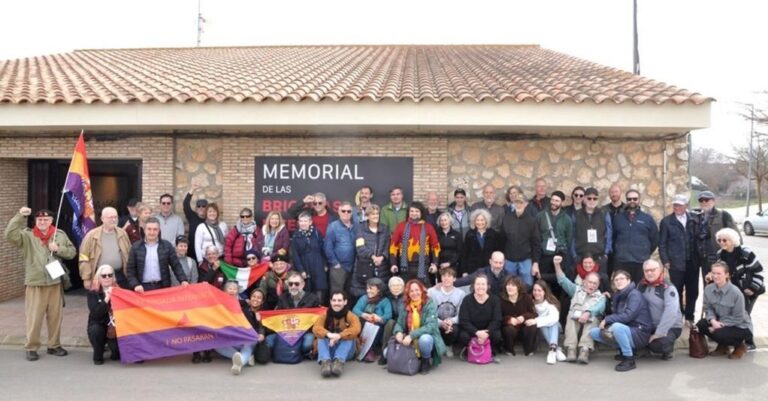
US visitors posing before the IB Memorial Museum at Madrigueras. Photo Len and Nancy Tsou.
As an adult literacy educator, I’ve read dozens of young adult and children’s books over the past several decades, as these books are often written at a level that’s accessible for adults who are not proficient readers. After my retirement, I started volunteering as an after-school homework helper in a neighborhood organization. I had been wondering if there was a way to more systematically engage the nine-to-twelve-year-olds I’d been working with in literacy activities. The purple girl clinched it—could I start a children’s book club?
I decided to try. When I returned home, I asked the staff at the after-school program if they were interested in my piloting a children’s book club. They were eager for me to try, as they are concerned about children’s literacy and about how few books kids are reading in school. Half a dozen upper elementary school (grades 4, 5, and 6) kids signed up for the club; they were racially and ethnically diverse and attended many of the neighborhood’s schools: two public schools, a local charter school, a Catholic school, and a prestigious private school.
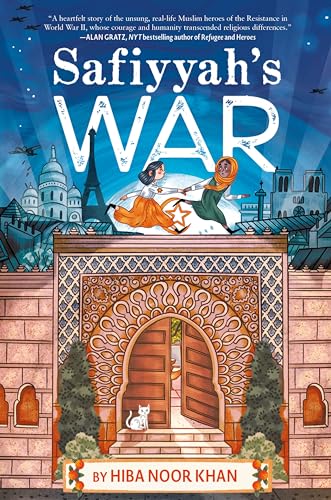
Our first book was Safiyyah’s War, by Hiba Noor Khan, historical fiction about the Muslims who lived in the Grand Mosque of Paris during World War II and who saved hundreds of Jews from the Nazis. In the novel, 11-year-old Safiyyah becomes a courier for the Resistance, secretly dropping off forged Muslim identity papers for Jewish families under the nose of Nazi soldiers. The kids loved it! They were thrilled by the idea of someone their own age being courageous and standing up for what is right, even at great personal risk. Some of them were able to connect the French Resistance to what they had learned in school about the role of the Underground Railroad helping enslaved people escape. At the end of the book when I asked if they could be as brave as Safiyyah, they said yes. One girl said, “If it was at my front door, like it was for Safiyyah, I would do what she did. You have to do the right thing!”
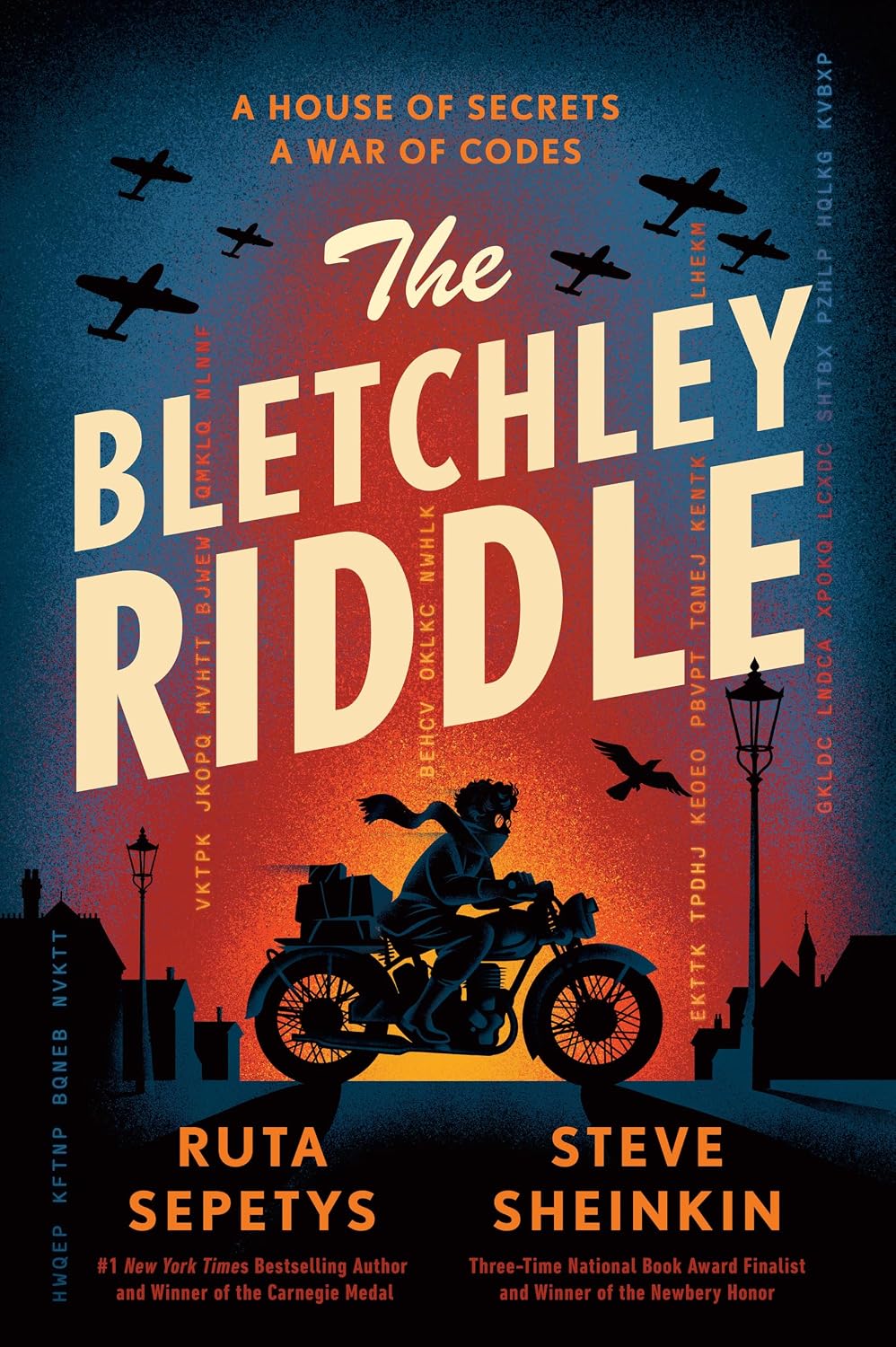 My goal for Fall 2025 was to continue the book club and to expand it. I led two groups, one at a branch of my local library and the other at the neighborhood afterschool program. At the library, we again read Safiyyah’s War. It was sobering and surreal to be discussing the Nazi invasion of Paris at the same time that ICE was invading Chicago, clearly illuminating that the issues we were reading and talking about are not just in the past. At the after-school center that fall, we read The Bletchley Riddle, by Ruta Sepetys and Steve Sheinkin, another historical novel, this one about teenaged codebreakers at Bletchley Park in England in 1940.
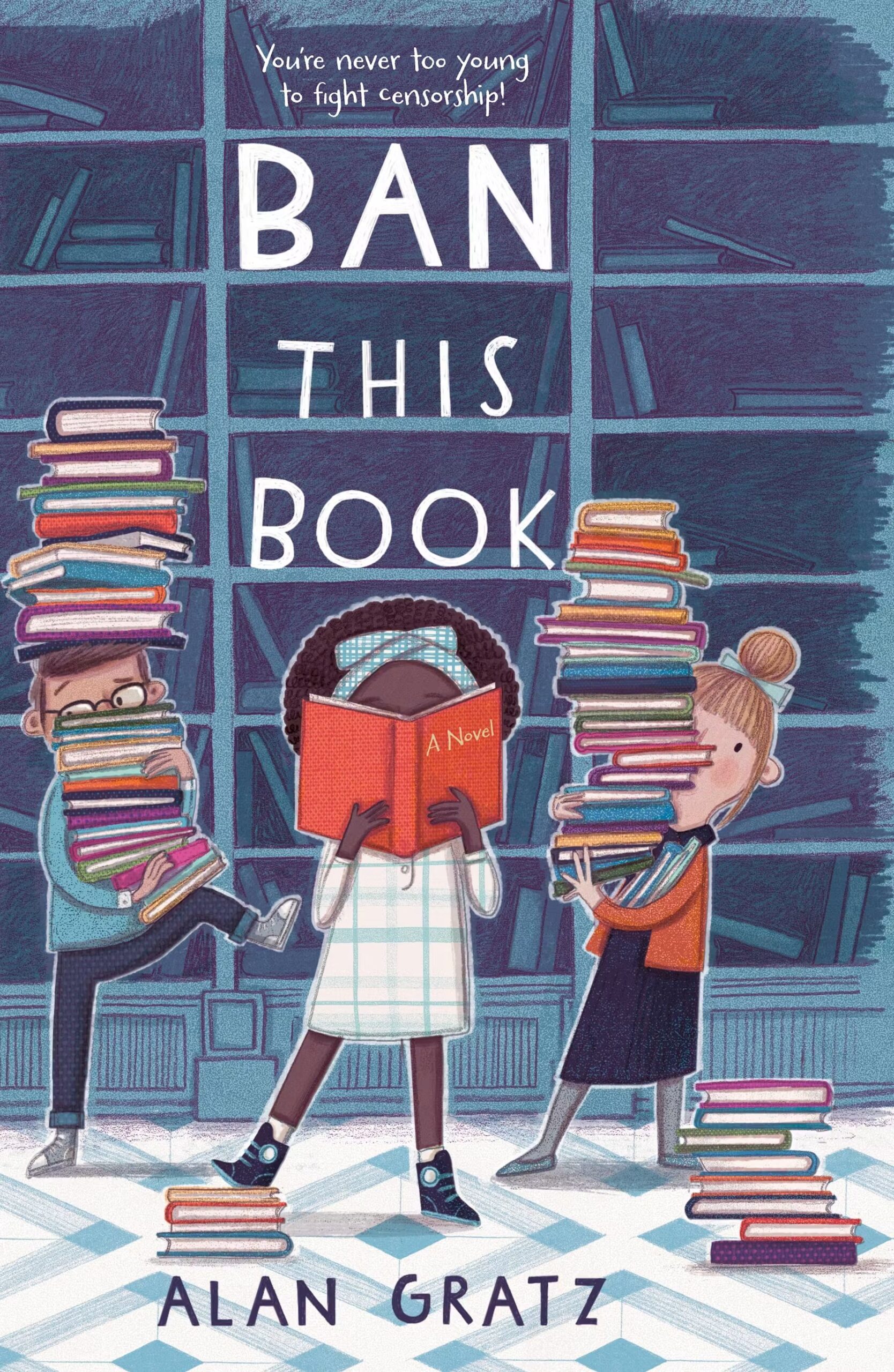 Not all the books we choose are centered on children actively fighting fascism. But they are all about kids who persevere under difficult circumstances. The staff at the after-school program asked if I’d be willing to let the kids choose the next book for our winter 2026 session. I came up with three options, and they selected Ban This Book by Alan Gratz, about a 4th grader who starts a banned-books library out of her school locker after her favorite novel (and many others) gets pulled from the school library. The central questions of this book are as urgent as ever: Who gets to decide what kids can read? What can you do if the adults around you make decisions you know are wrong? And when is it important to speak up, even if it gets you in trouble? They prompted spirited discussions, in which the kids learned that not every question has only one correct answer.
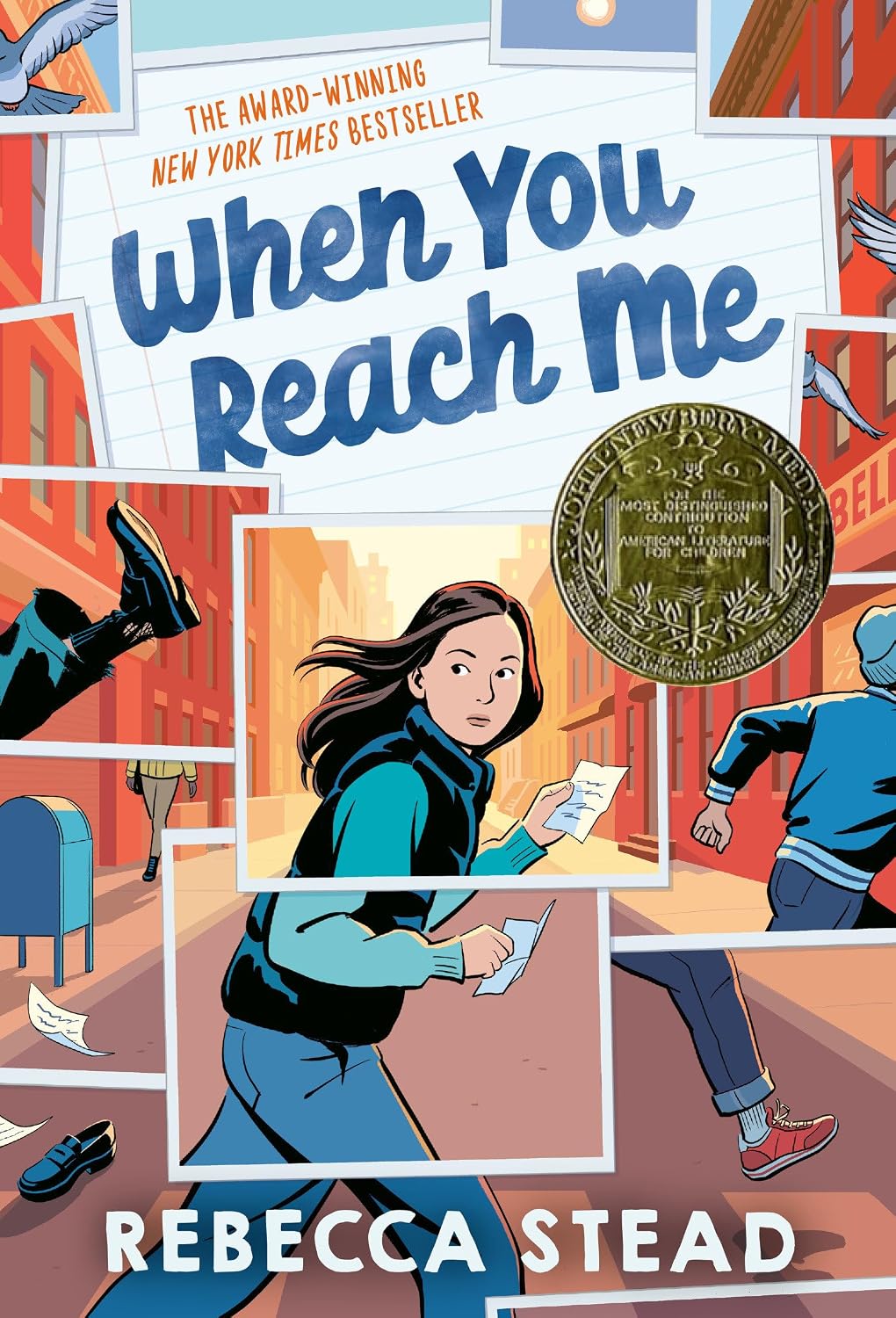 In the spring of 2026, we read When You Reach Me by Rebecca Stead, whose themes of friendship and forgiveness deeply resonated with the kids. As we finished this book (our fourth), they segued into a discussion about the type of reading instruction they encounter in school: a computer-based program that has them read short passages and answer questions based on the readings. Their comments were insightful and articulate. Reading a whole work of literature in our club, they said, is preferable to the short passages and test-like questions they practice in school. The computer program deprives them of the opportunity to interact with their teachers, they added. They are angry at the tech company that developed the program (which, incidentally, is being sued for collecting vast amounts of students’ data).
All the books we read touch on common themes: courage, fighting injustice, loyalty to friends, and standing up for what’s right even when you’re young. For ALBA members and friends who might consider doing similar work, here are some takeaways from my experience:
- A book club is more successful when the facilitator already has a relationship with the members. My efforts at the afterschool program succeeded more than at the library, where I was meeting the kids for the first time.
- Consistency is important. At the afterschool program, children are enrolled for the school year, so they attend every day. At the library, kids drop in after school whenever it suits them, so it was harder to maintain a consistent level of participation.
- We discuss ground rules from the very start: everyone has the opportunity to speak, but no one is required to do so; no one is allowed to dominate the conversation. Everyone (including me) must silence their cell phone and put it away. And because I want them to experience reading as pleasurable, rather than as drudgery, I state that in this room, “there are no worksheets, quizzes, or tests—just read the book at home and come here prepared to talk about it.”
- The physical configuration of the room is important, so we always sit in a circle, which helps make clear that everyone’s ideas are valuable and encourages everyone to participate.
- Food matters! I bring homemade muffins or cookies to every session, which the kids love and devour. (I have the time and energy to bake, but store-bought treats would do just as well.)
- “Extracurricular” activities related to the book’s themes help maintain engagement and enthusiasm:
- For Safiyyah’s War, we visited a nearby French café to sample the kinds of French pastries Safiyyah and her friends enjoyed before food rationing set in.
- For The Bletchley Riddle, we explored how simple codes work, and the kids enjoyed cracking them. We also wrote invisible messages with lemon juice and then revealed those messages by holding them over a lighted candle.
- For Ban This Book, we wrote postcards to one of our senators and to our House representative, urging them to co-sponsor the federal “Right to Read” Act and then mailed the cards from our local post office.
- Especially for historical fiction, children need some background information to understand the “where and when” of the book. Timelines and maps are very helpful.
- Not everyone always does the weekly assigned reading or finishes the book on time (as in any adult book club). Regardless, they can still meaningfully contribute to the conversation.
- There are various opportunities for friends and family to support a book club; for example, a neighbor I met at a protest last fall offered to buy copies of our current book for each child. It was a way for her to contribute and a way for the kids to start building a home library.
As we move into the rest of this year and beyond, I plan to have the club members choose what to read from a list of both historical and current-day novels. These books all feature characters of different ethnicities and nationalities who work collectively to solve problems in their schools and communities.
The children in our lives are inheriting a dangerous and scary world, and it’s crucial to help them figure out how to navigate and improve that world. The book club is hard work but immensely rewarding; it’s inspiring to work with these kids and see their intellectual and social development over time. I might have come up with this idea even if I had not become involved with ALBA and attended the AABI event, but my passion for it and the will to persist were energized and strengthened by what I experienced in Madrid and the wonderful people I met there. I encourage ALBA members and friends who work with or know young people to pursue a similar literacy project: reading and discussing books is a powerful way to begin making meaningful change.






