
Book Review: Women in the War, Photographed
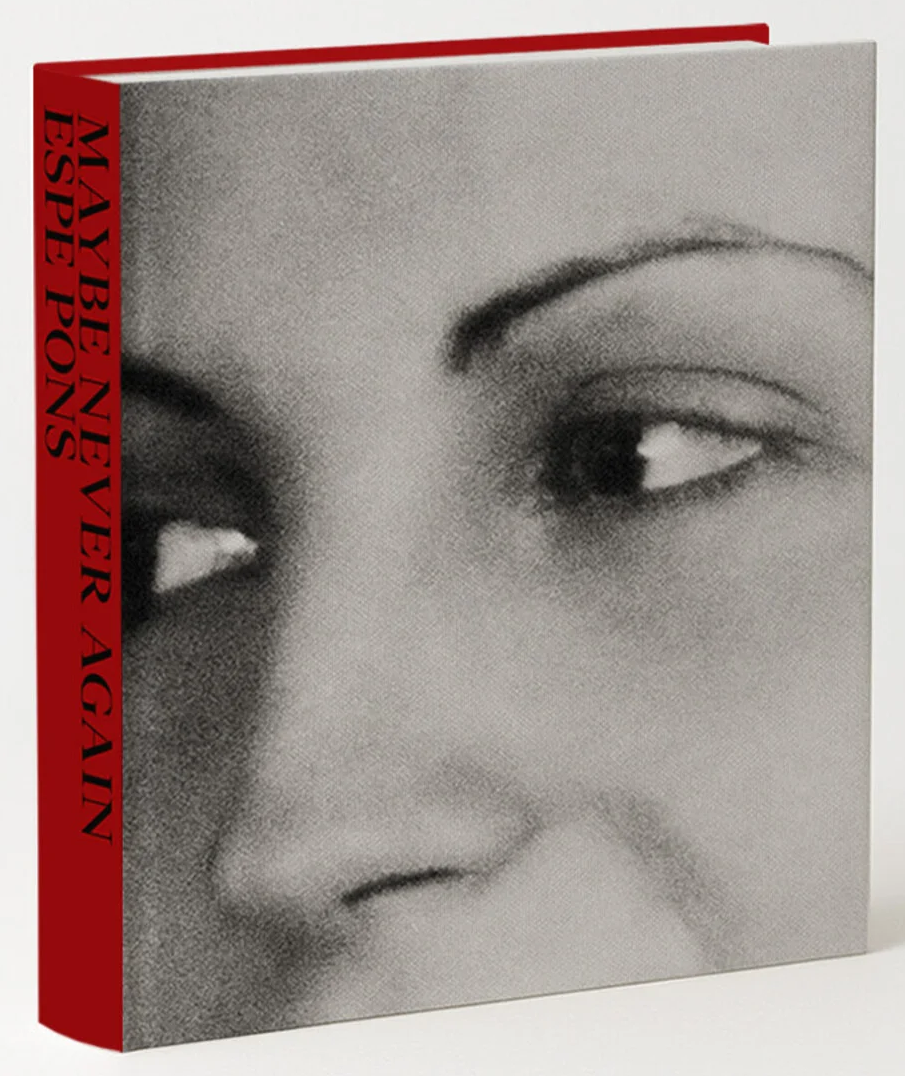
Maybe Never Again, by Espe Pons, 2025. 221 pp. $109. Available at espepons.com.
This extraordinary and powerful book by the Catalan photographer Espe Pons tells the story of 21 brave women who went to Spain to support the Republic. While a few of them fought, most of them went as nurses; most were Jewish, and the majority are American. Their vividly told stories appear both Spanish and English, with one exception. Fifteen of the biographical texts are written by descendants of the individuals.
The three best known of the twenty-one are the French philosopher Simone Weil, the Italian photographer Tina Modotti, and Gerda Taro, the German photojournalist who was tragically killed in a freak accident during the battle of Brunete. Other, lesser-known figures have their voices heard as well, including doctors, nurses, photographers, journalists, militiamen and thinkers who arrived as volunteers from abroad: Elzbieta Bekier, Anni Brunner, May Levine, Dora Lorska, Betty Rosenfeld, Jeanne Roussant, Rachel Schwartzman, Esther Silverstein Blanc, Thora Silverthorne, Clara Thalmann, and Lillian Urmston. The stories provide vivid portraits of life in the hospitals, on the front, and in the rearguard—a vast array of perspectives all linked together as experiences read through the perspectives of women who shared a commitment of fighting for the Republic, despite the often trying conditions in the hospitals where they worked. Their stories also address the difficulties many faced after the war, particularly in the French camps.
What makes this large-format book special and different are the many photographs. There are images from the war, but the most significant contributions are the striking photographs taken by Espe Pons herself of places associated with the women in the book. Accompanying each of the women’s biographies, moreover, are portraits of their descendants. There are also depictions of objects and sites associated with the particular individuals, and several all-seeing eyes, one suspects of Espe Pons herself, on the front binding of the book as well as the opening and concluding images.
Maybe Never Again brings vividly to life what 21 brave women did ninety years ago as they tried to stop fascism and preserve democracy. The book illuminates the past and, as its hesitant title suggests, alerts us to our present parlous state.






