
HUAC Asked: How Did Vernon Selby Die?
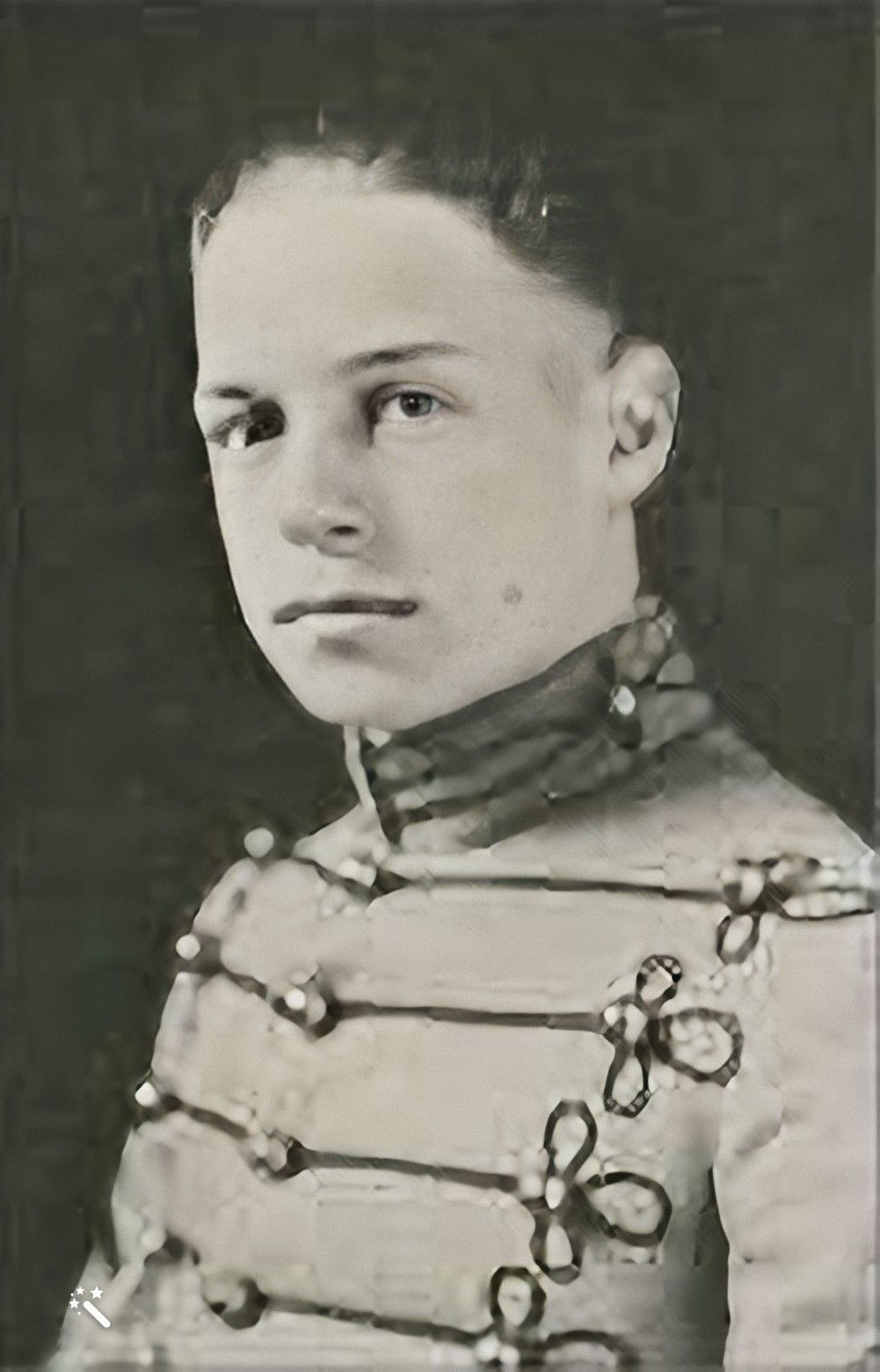
Selby at Westpoint.
The war in Spain was barely over, but the scramble to define the legacy of the International Brigades was on. Were they valiant antifascists, or had they been agents, victims, or dupes of world communism? In pre-1945 US popular culture, the brigadistas were often portrayed as heroic antifascists. At the same time, there were attempts to tarnish them. These frequently focused on the alleged (and sometimes proven) mistreatment of deserters, as we see in the case of Vernon Selby.
On Friday, April 12, 1940, just over a year after Franco declared victory in Spain, the House Special Committee on Un-American Activities (HUAC) convened in Washington, DC, to investigate the death or disappearance of three American International Brigade volunteers: Paul White, Vernon Selby, and Albert Wallach.
The investigators claimed that all three had been shot extralegally by fellow American volunteers. The executions were alleged to have occurred at the fortress of Castelldefels, about twenty kilometers from Barcelona. This was not an outrageous allegation: the fortress was used by the International Brigades as a prison for brigade members accused of desertion or other serious offenses, and reports of frequent mistreatment and disappearance of prisoners had led the Republic’s Military Intelligence Service (SIM) to arrest the prison’s first two commanders, the Croat Milan Ćopić and the Frenchman Marcel Lantez.
Among the witnesses called before HUAC that April were Vernon Selby’s mother, Mrs. Walter Owen Selby (née Mary Strong); Albert Wallach’s father, the lawyer Maxwell Wallach; and a group of Lincoln veterans that included Milton Wolff, Anthony DeMaio, Humberto Galleani, John G. Honeycombe, Fred Keller, and William McCuistion. In the course of the hearing, the circumstances of Selby’s death proved particularly mysterious.
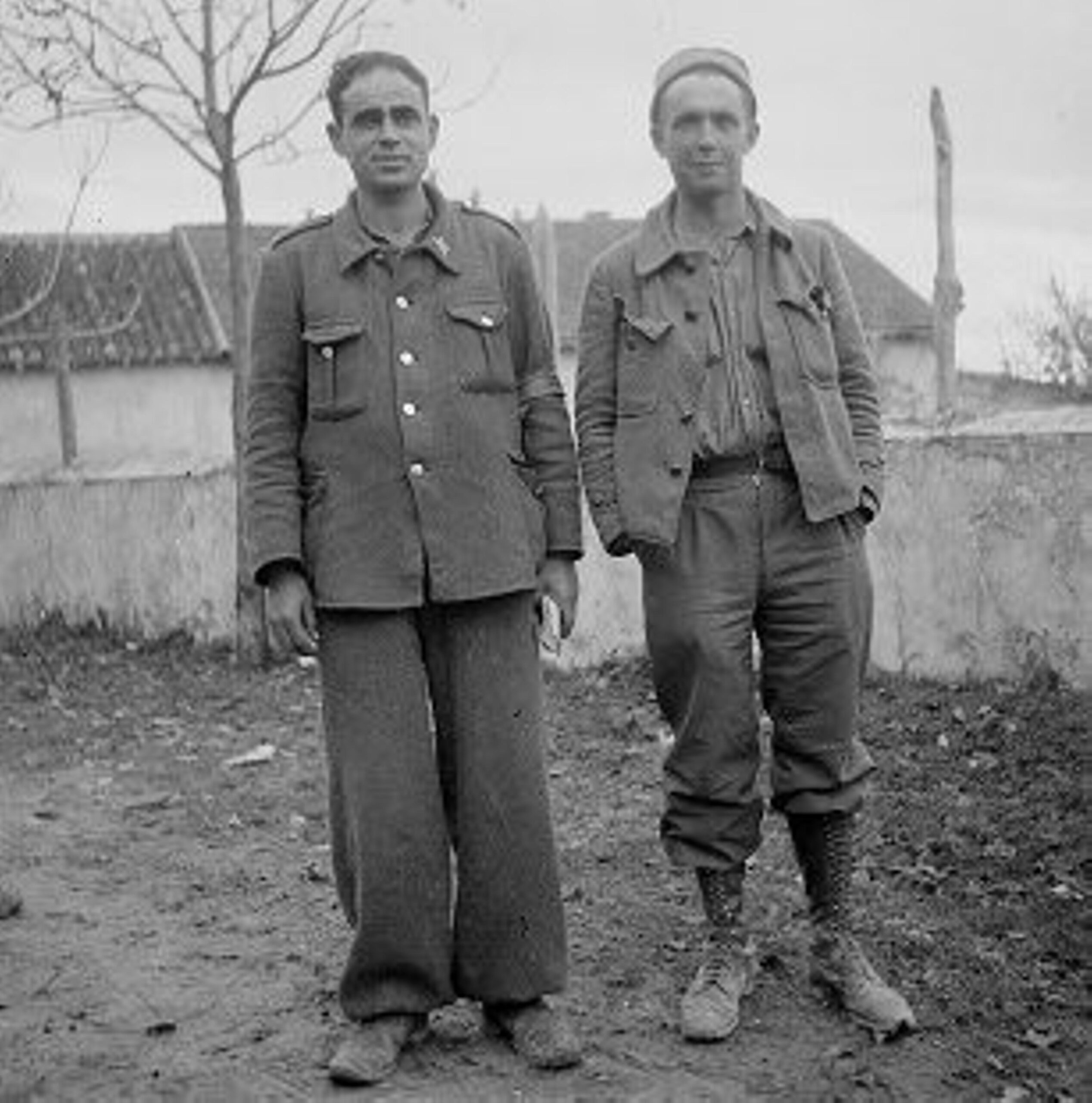
Reiss and Drummond in Spain
By the time Vernon Romayne Selby volunteered for the International Brigades, he was in his mid-30s. Born in Rock Hall, MD, in 1902, he had seen his career at West Point cut short by a sports injury. In the years following, he worked as an engineer, lived in Central America, and joined the CPUSA. He sailed for Europe aboard the ship Laconia on September 25, 1937. (His mother only learned of his participation in the war through the letters Vernon sent her from Spain.) After arriving in Spain on October 13, Selby was assigned as a scout to the Lincoln–Washington Battalion of the 15th Brigade, where he attained the rank of sergeant. (This is how he met John Honeycombe, also a member of the CPUSA who served as a scout.) There is not much additional information about Selby’s first months, but given the time of his arrival, he likely received his baptism of fire at Teruel in January 1938. A month and a half later, he took part in the Second Battle of Belchite, where the International Brigades suffered massive casualties amid intense bombardments on March 9 and 10.
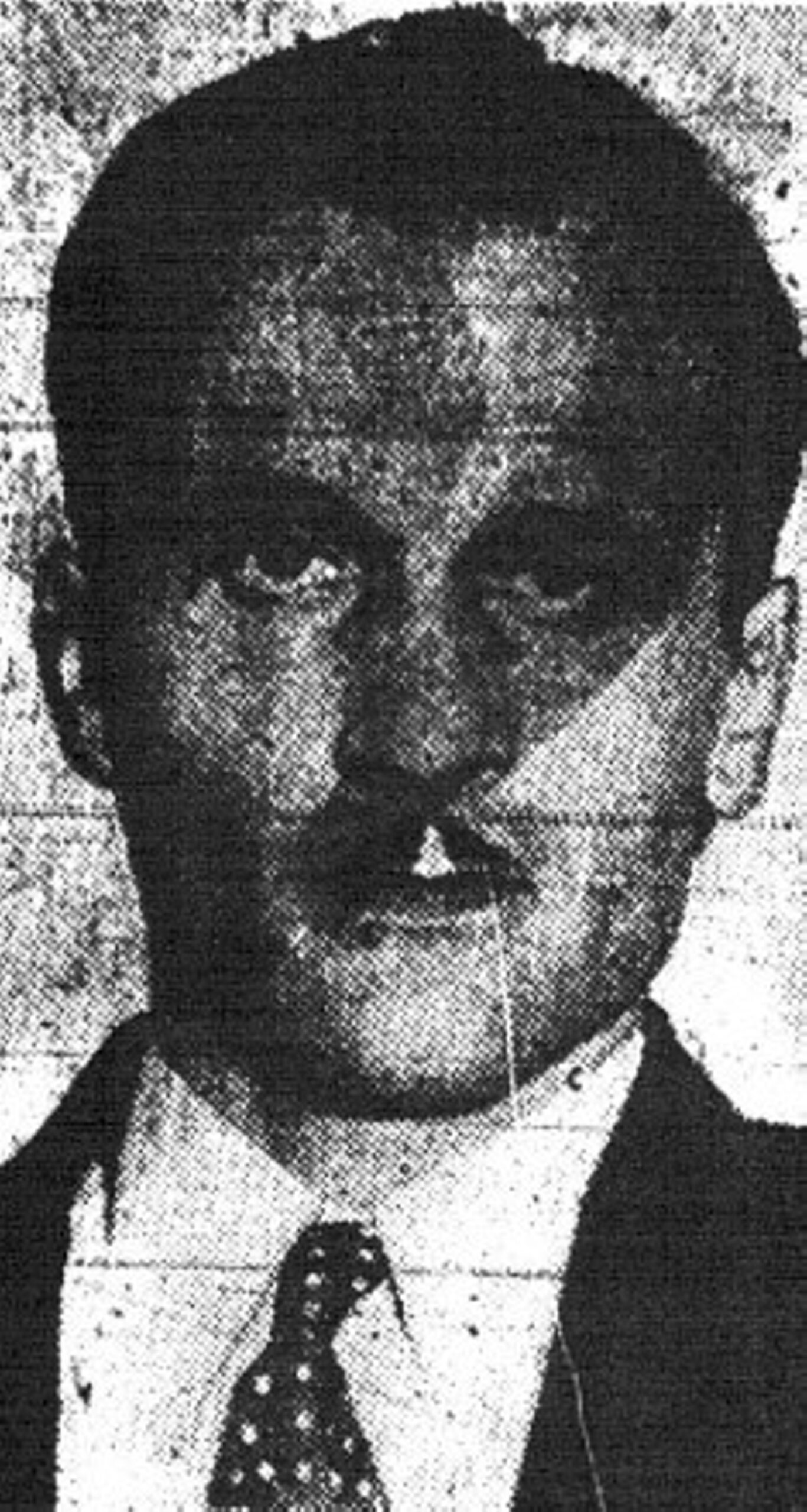
Honeycombe.
For Selby and Honeycombe, it was a particularly brutal engagement. During the fighting, they attempted to save the life of Commander Dave Reiss, who was gravely wounded (his abdomen was open and his intestines were literally exposed), running downhill with him on a blanket held by them and two other brigaders, under fire from a Stuka aircraft. (Reiss survived only a few minutes.) At the end of that fateful day, the Lincolns were forced to retreat at full speed to the village of Híjar, where Honeycombe turned out to have a badly injured knee and Selby extensive shrapnel wounds in his shoulder. According to Honeycombe’s testimony before HUAC, the brigade’s deputy commissar granted both men leave on March 12 to visit a rearguard hospital in Lleida. (There is reason to doubt the existence of this pass.)
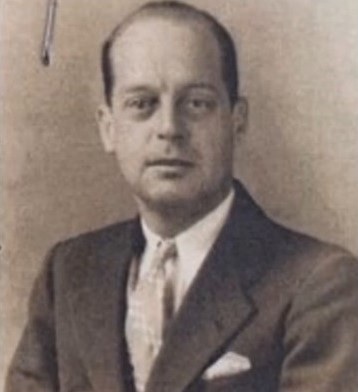
Vernon Selby, passport picture.
After passing through Lleida, both men then traveled separately to Barcelona, without authorization, hoping to remain in that city until the end of the war, if they were not repatriated beforehand. This plan did not pan out. Instead, they were arrested for being absent without leave and imprisoned at Castelldefels. It is likely that about ten days later, on March 25, they were sent back to the front, under guard, along with nineteen other deserters. Among them was Lawrence McCullough, also a scout in the Lincoln–Washington Battalion.
After arriving in Batea, they then went to Corbera d’Ebre, where they were possibly assigned, as a form of punishment, to a labor battalion that had to work under harsh conditions. Selby, who was still suffering from the after-effects of his Belchite wound and in a state of shock, was separated from the group and transferred to medical services on March 29 or 30. Honeycombe said he never saw him again. On April 1, before dawn, heavy fighting resumed after several days of skirmishes. Amid the chaos of combat and retreat, Honeycombe managed to escape once again. After several days, he finally crossed the Pyrenees into France and returned to the United States.
Once he was back stateside, he gave several highly critical interviews to the press about the situation of the IB volunteers in Spain. Honeycombe also claimed that Lawrence McCullough told him Vernon Selby had been executed at Castelldefels.
The interviews with Honeycombe and other brigaders sparked a debate about the International Brigades and the responsibility of their leadership for the disappearance of some volunteers. Other veterans questioned the veracity of these accounts, citing specific figures, and a controversy ensued.
Meanwhile, Selby’s mother had already received news of her son’s disappearance in combat through a congressman. In an attempt to find out what had happened to him, she corresponded with several former volunteers. Basing herself on testimonies such as Honeycombe’s, she ended up directly accusing the command of the XV Brigade of Vernon’s disappearance and death. Her tireless search for answers reflects the pain and uncertainty experienced by many families of missing brigadistas.
At the HUAC hearing and in a subsequent letter, three hypotheses were put forward regarding Selby’s fate. The first was that he was executed at Castelldefels. Honeycombe, as said, explained that he had not witnessed this himself but had heard it from Lawrence McCullough, who in turn had heard it from another volunteer named Bill Reed, who was a guard at Castelldefels Castle when McCullough returned there under arrest on April 25, 1938. The second possibility was that Selby had disappeared in combat, as Milton Wolff and Fred Keller asserted in their testimonies before HUAC, following the bloody retreat after the fighting around Gandesa. The last was that Vernon died peacefully in a hospital in Barcelona in early April—a scenario that the same Lawrence McCullough suggested in a surprising letter to Selby’s mother.
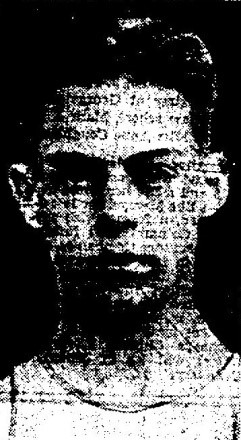
Selby in high school.
The first and last hypotheses, both advanced by McCollough, seem unlikely and contradictory. In late March 1938, it was not easy to transfer Selby to the rear from the Ebro front (whether to Barcelona or to Castelldefels), and even less so if it were solely to execute him. He could have been executed at the front, as happened with Paul White or Bernard Abramofsky. It also seems highly improbable that he would have died in a hospital without his death being recorded there or the authorities being notified afterward. Why would McCullough have been the only one to know about it?
Fred Keller, in his testimony to HUAC, defended Selby’s memory. He stated that Vernon had died bravely in action, although it was true that, twenty days earlier, he had experienced a moment of doubt after the horrors of Belchite. Milton Wolff added that, on the day of his disappearance, Selby had been used as a scout (a task in which he was experienced) and, in fact, that he had guided the battalion during the final retreat at the end of that fateful March.
Both Keller and Wolff forcefully denied Honeycombe’s version of an execution at Castelldefels. Even Cecil Eby, a historian who is often critical of Brigade leadership, sided with Wolff and Keller in this case, indicating that Selby had reconciled with the command and returned to headquarters, where his experience was highly valued.
The most likely scenario is that Selby resumed his duties after speaking with his battalion’s command and rejoined his unit on March 29 or 30, contributing his knowledge and experience. He then disappeared on April 2 during the desperate IB retreat following the fighting. He likely died near Gandesa while serving as a scout accompanying the other brigadistas as they tried to reach the Ebro in their flight. If this is true, Keller and Wolff were right: Selby’s last actions were those of a hero.
Alfonso López Borgoñoz is a member of the Amical de les Brigades Internacionals de Catalunya.






